Affordable Climate Action
Climate action has to be practical
If elected Mayor, I will work to build the systems that allow us to restore our waterway, create new revenue, and position Smiths Falls as a leader in practical green technology.
We do not need to accept that environmental cleanup is permanently out of reach. We do not need to choose between affordability and climate action. We can build a system where municipal green waste, local farm residues, contaminated soils, carbon sequestration, waterway restoration, and new revenue all become part of the same practical strategy.
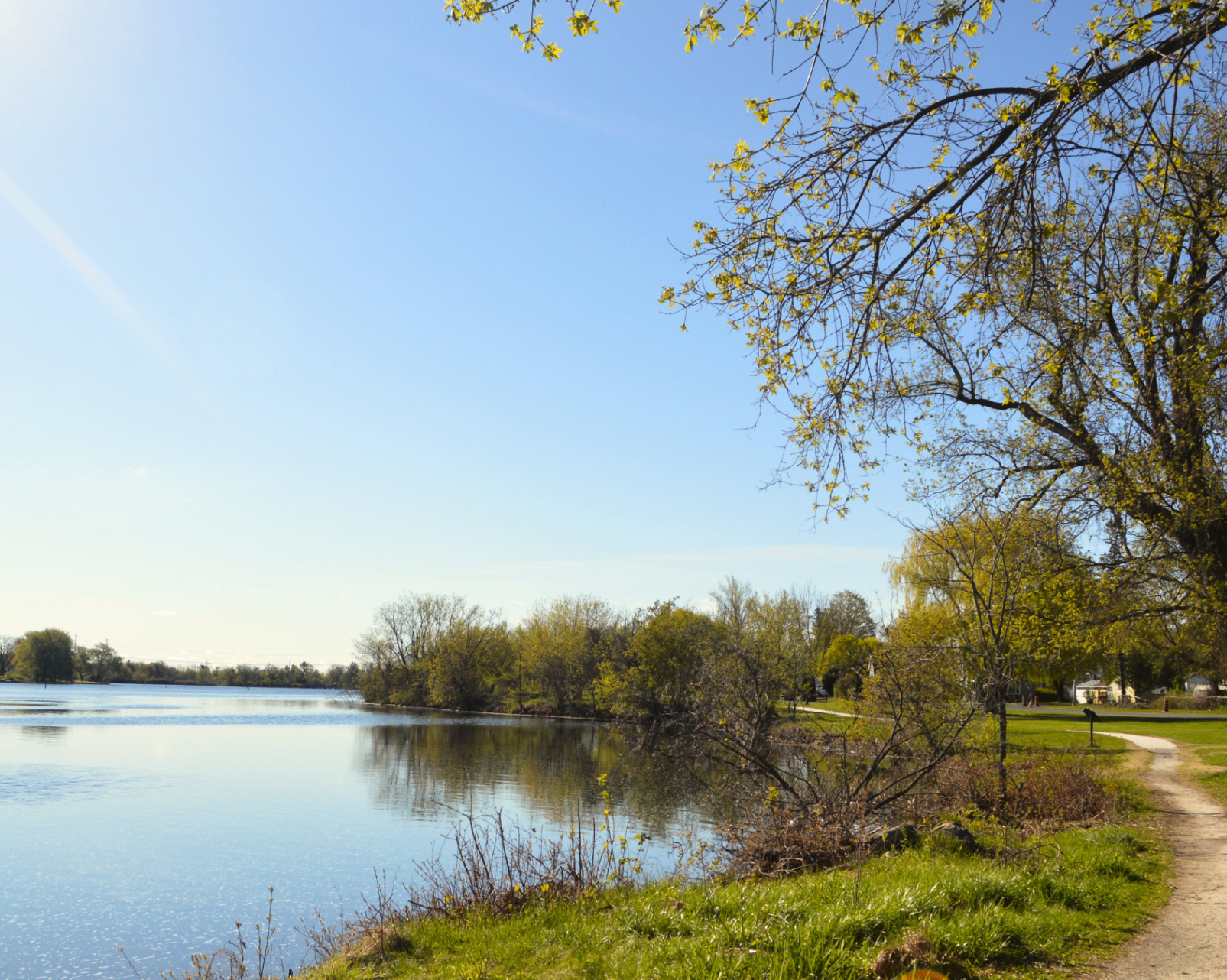
Practical Solutions
Grounded, local projects that solve real problems on the ground.
Lower Costs
Approaches that save money and attract outside funding.
Local Results
Cleaner land and water and real benefits for Smiths Falls.
Climate action should pass a practical test
Every climate decision should be measured against the same standard: does it make life better, cleaner, or more affordable for residents?
Practical, not performative
Climate action should solve real problems here in Smiths Falls. That means focusing on projects that clean up land and water, reduce waste, improve infrastructure, attract outside funding, and create visible local benefits.
The goal is not to chase expensive symbolic projects. The goal is to use climate action as a practical tool to make the town cleaner, stronger, and more affordable.
Affordability comes first
Climate policy cannot ignore the financial pressure residents are already facing. Families are dealing with rising taxes, rising water bills, housing costs, food costs, and everyday affordability challenges.
Any climate plan for Smiths Falls should be judged by a simple test: does it reduce costs, bring in outside funding, improve infrastructure, or deliver clear local benefits? If it does not, it should not be the priority.
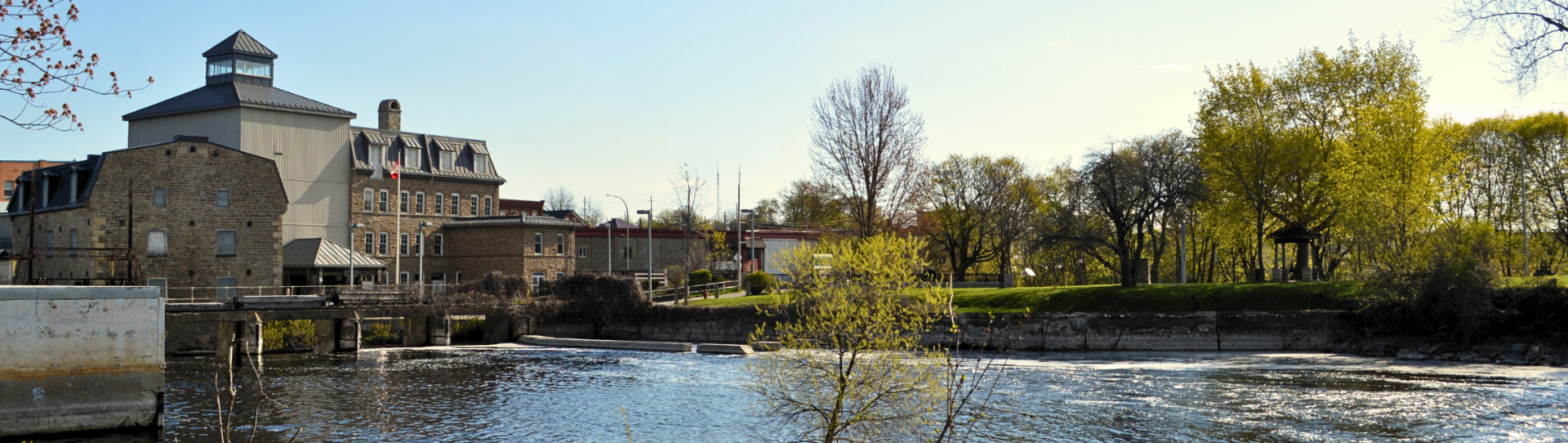
Local climate action should clean up our environment, reduce costs, and create practical benefits for Smiths Falls residents.
That does not mean doing nothing. It means being smarter.
What practical climate action looks like
If elected Mayor, my approach to climate change will be rooted in practical sustainability, projects that reduce emissions while also solving real local problems and bringing outside money into Smiths Falls rather than placing more pressure on local taxpayers.
Biochar from Green Waste
Convert municipal green waste into biochar, sequestering carbon while turning a disposal cost into a useful local resource.
Healthier Soil
Improve soil health so our land holds more carbon, retains water, and supports stronger local agriculture.
Trees & Carbon Farming
Support tree planting and carbon farming that capture emissions and strengthen the land at the same time.
Less Waste
Reduce waste across municipal operations so we spend less and send less to landfill.
Grants & Outside Money
Pursue grants and climate programs that bring outside dollars into Smiths Falls instead of pressuring local taxpayers.
Smart Energy Efficiency
Improve energy efficiency where there is a clear return on investment, saving money over the long term.
Biochar turns waste into value
The best climate projects for Smiths Falls are the ones that pay for themselves, reduce long-term costs, improve our land and water, create local jobs, or make the town more resilient. Biochar is a perfect example.
Municipal green waste can be treated not as garbage, but as a resource. When converted into biochar, it becomes one of our most versatile climate tools.
One resource, many returns
- Sequester carbon for centuries
- Support soil remediation
- Improve compost quality
- Help with waterway rehabilitation
- Potentially generate carbon-credit revenue
Flipping the cost of remediation
Environmental remediation is often viewed as costly, and there is no denying that it can be. The Town of Smiths Falls has faced real financial constraints for a long time, and it has generally been assumed that remediating contaminated portions of our waterway is financially out of reach.
In the lead-up to the Rideau Canal locks’ 200th birthday, I think it is time we flipped that script.
While remediation projects are costly for some, that expense becomes someone else’s income. By leading in the green technology space, Smiths Falls can be on the receiving end of that equation.
By producing biochar in-house from municipal green waste and crop residues from local farms, Smiths Falls can create a supply of biochar for contamination remediation while also generating revenue through the sale of carbon credits.
When biochar is produced properly, it can lock carbon away for centuries. As one of the strongest tools in the voluntary carbon removal market, it gives Smiths Falls the opportunity to clean up our waterway while creating a new revenue stream for the Town.
The scale of the opportunity
The numbers show how significant this opportunity could be for Smiths Falls.
These figures are estimates. The carbon removals would need to be independently verified and the carbon credits successfully sold for the projected revenue to be realized.
The Path Forward
A practical climate strategy for Smiths Falls
Smiths Falls should be pursuing practical, measurable, affordable, and connected to the needs of the community. We do not need to accept that environmental cleanup is permanently out of reach.
Related news coverage
- Read about The Rideau Roundtable said it may have unearthed the country’s largest illegal dumping ground in Smiths Falls. The town says the claims are ‘unfounded.’ Here’s what we found outInside the Ottawa Valley
- Read about ‘Enormous win for the environment’: Smiths Falls approves biochar production at municipal yard waste siteInside the Ottawa Valley
Want to Support the Campaign?
Request your free campaign stickers and yard signs and help spread the word.

